STP Air Exhaust Solutions
You Can't Control the Sewage Plant. You Can Control the Odour.

Ideal For
What This Is, and Why It Matters
Sewage and effluent treatment naturally produces hydrogen sulfide (H₂S) and related gases — the unmistakable "rotten egg" smell almost everyone recognizes instantly. When it escapes the treatment tank, it travels with the wind and reaches nearby offices, hotel lobbies, or residential windows, generating complaints and, left unaddressed long enough, formal notices.
It's more than a smell problem, too. That gas is mildly corrosive in the air, and it attacks exposed copper wiring and electrical contacts near the source over time — so an untreated STP/ETP is a slow-building maintenance risk as well as a complaint magnet.
Our Approach
01 — Capture at the source
Hoods and ducting placed to pull the odour before it escapes the treatment area, rather than trying to clean the open air afterward.
02 — Scrubbing
The captured air passes through carbon and chemical media that neutralize H₂S and mercaptans on contact.
03 — Continuous operation
Runs alongside the STP/ETP process around the clock, not as a one-time treatment.
04 — Responsive support
Active odour complaints are addressed promptly as part of ongoing service, not queued behind routine requests.
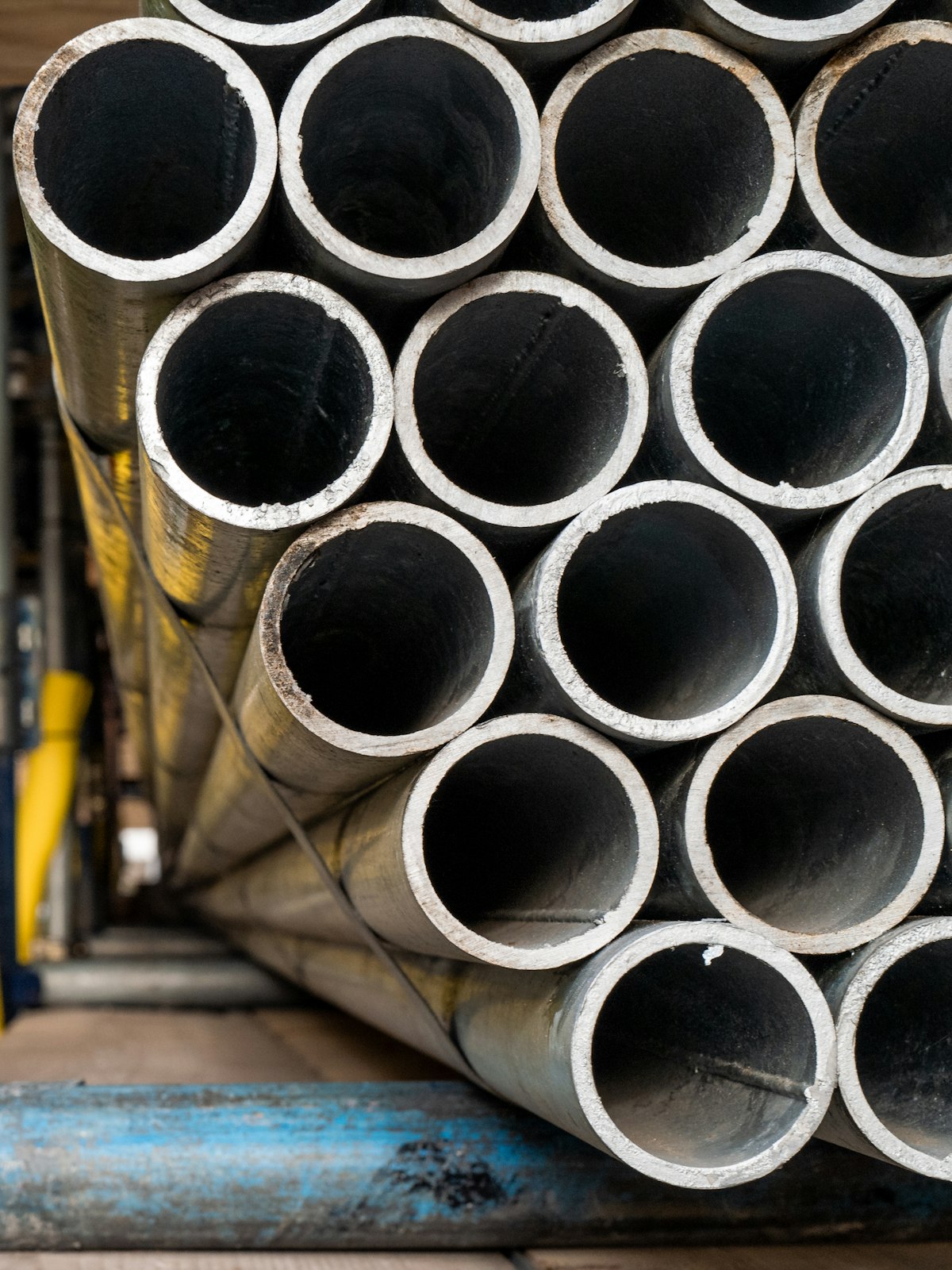
Odour is captured at the source before it escapes into occupied or neighbouring spaces.
Ready to breathe cleaner air?
Get a free air quality assessment — no obligation.